Nutrient Dynamics
 Farmers and landowners across Delmarva have made significant investments in conservation practices to reduce the nutrients and sediment reaching Chesapeake Bay waterways, yet water quality monitoring across the region has not shown the improvements that models predict. Understanding root causes to explain this disconnect is critical to making future conservation investments more effective.
DLLC believes that everyone – scientists, farmers, chicken producers, environmental advocates, and agency partners – deserve clear answers about whether and how their conservation investments are making a difference. We also believe it will take everyone working together to find those answers.
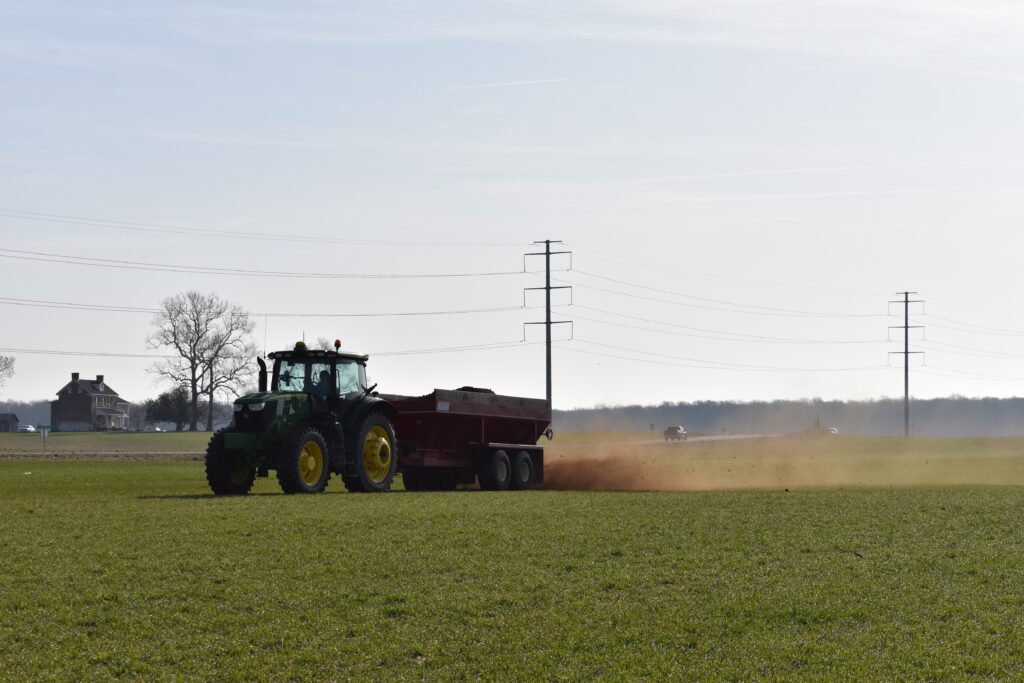
Photo credit: Jenny Rhodes
As a first step, DLLC convened a three-day workshop series in Easton, Maryland, in June 2025. This event brought together approximately 30 regional scientists and 70 diverse stakeholders to evaluate the best available science and develop shared hypotheses about the drivers of nutrient dynamics on Delmarva. The workshop summary report was released April 2026 after DLLC members reached consensus about the most important content to include. In it, DLLC identifies five priority areas that may help explain why monitoring in some areas has not shown improvements in Delmarva water quality that scientists and practitioners expect. They are:
- Effectiveness of conservation management efforts
- Groundwater lag times
- Increased weather variability
- Altered drainage systems
- Nutrient management and nutrient use efficiency
This issue is not unique to Delmarva. Communities around the Chesapeake Bay wrestle with some of the same questions we have. To that end, we will be sharing our findings and questions with others, as we work to better understand the concerns and identify opportunities to respond.